As 2025 draws to a close, millions of Americans are grappling with rising inflation and the increasing cost of everyday necessities. Essential expenses like rent, utilities, food, medicine, and children’s education are putting a strain on monthly budgets. In this context, the $2000 federal direct deposit proposed by the government for December 2025 is proving to be a significant relief for millions of families.
This amount is specifically intended for those already registered in government assistance programs or those with limited incomes. The government aims to provide a financial boost at the end of the year so that people can start the new year without debt.
Table of Contents
What is the purpose of the $2000 federal payment?
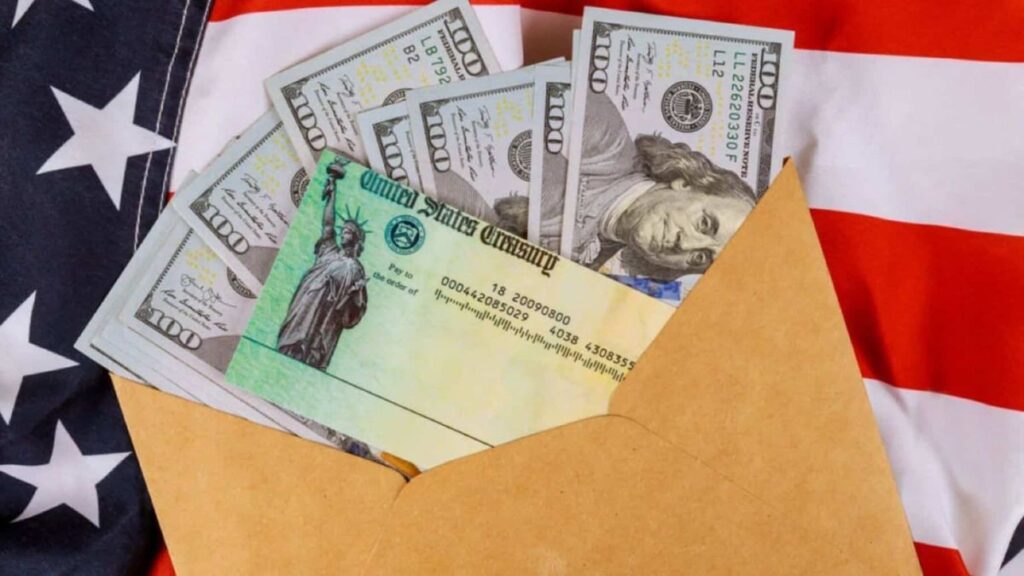
This $2000 is not a loan and does not need to be repaid. It is different from a tax refund or a stimulus check. It is a one-time relief payment, specifically provided to help with the increased expenses typically incurred at the end of the year.
December is generally a month of increased spending. Heating bills rise due to the winter months, there are holiday expenses, costs associated with children’s education, and many people face medical needs. The government hopes that this $2000 will alleviate some of these financial pressures.
How can this $2000 be used?
The government has clarified that there will be no restrictions on how the money is used. Recipients can spend it according to their needs.
People can use it to buy groceries, milk, vegetables, grains, and other everyday necessities. It can also help with paying rent, utility bills (electricity, gas, and water), or minor home repairs.
Many families can use this money to pay for medications, doctor’s fees, health insurance premiums, or children’s school fees. For households facing unexpected car repairs or a broken heater, this amount can be incredibly helpful.
How will the payment be received: Direct Deposit and other options
The best part of this program is that the payment method is very simple and secure. Those whose bank accounts are already linked to government records will receive the money directly into their bank accounts via direct deposit.
Those who do not have a bank account or whose information is not up-to-date will receive payment via paper check or prepaid card. The government has clarified that no eligible person will be denied this amount due to technical reasons alone.
Full details on eligibility for the $2000 payment
Eligibility for this payment depends on two main factors: your income and your status in government records.
The income limits set by the government are as follows:
- Single filers: Annual income up to $75,000
- Head of household: Up to $112,500
- Married couples (joint filing): Up to $150,000
In addition, the individual must be a permanent US resident and possess a valid SSN or ITIN. Those already enrolled in programs such as Social Security, SSI, SSDI, SNAP, Medicaid, or unemployment benefits will have even stronger eligibility.
Additional benefits for special groups
This program also includes senior citizens, people with disabilities, farmers, members of tribal communities, and gig workers or self-employed individuals, provided their income is properly documented.
Families with children or other dependents may receive additional assistance, although the final amount will depend on government guidelines.
However, individuals with very high incomes, immigrants without a valid SSN or ITIN, and those who have provided incorrect tax information will not be eligible for this payment.
Direct payments through an automated system
The biggest advantage of this program is that most people will not need to file a new application. The IRS and Treasury Department will use your existing tax and benefit records to issue the payments.
This will result in faster payments, reduced fraud, and lower administrative costs. Previous stimulus payments also used this system to quickly deliver money to millions of people.
Phased Payment Schedule for December 2025
The government has divided the payments into three phases:
- December 10-15: SSI and SSDI recipients
- December 16-20: Low-income families and households with children
- December 21-31: All other eligible individuals
While there may be slight delays in some cases due to banks or holidays, the government aims for everyone to receive their payments by the end of December.
The Broad Benefits of the $2000 Payment
This amount can help people avoid credit card debt or expensive loans. Senior citizens and disabled individuals will be able to manage their monthly expenses more effectively. Local shops and small businesses will also benefit as this money is spent in the market.
The direct deposit system also significantly reduces the risk of fraud and counterfeit checks.
How to Check Payment Status and Avoid Fraud
Beneficiaries can check the status using the IRS’s “Where’s My Refund?” tool, the SSA portal, or by looking for the “TREASURY 2025” entry in their bank statement.
The government has warned that no official agency will ever ask for your personal information via email or text message. Only use .gov websites.
Conclusion
This $2000 federal deposit, scheduled for December 2025, is more than just a payment; it’s a lifeline for millions of families. If your information is up-to-date, this money will arrive in your account on time and securely. It can make the start of the new year a little easier and more stable.
FAQs
Q. What is the $2,000 federal deposit for December 2025?
A. It is a one time government relief payment meant to help eligible Americans cover end of year expenses.
Q. Who can receive the $2,000 payment?
A. People with qualifying income levels who are registered in government programs or have valid tax records may be eligible.
Q. How will the money be paid?
A. Most people will receive it by direct deposit, while others may get a paper check or prepaid card.
Q. Do I need to apply to get this payment?
A. No, payments will be sent automatically using IRS and Social Security records.
Q. When will the $2,000 arrive?
A. Payments are scheduled to be sent in phases between December 10 and December 31, 2025.